close-btn

Search Further

kindly select atleast one option

Search Results for :

Blogs and Related Contentarrow-icon

No Result Found

no-result-icon

Testimonialsarrow-icon

No Result Found

no-result-icon

Other Pagesarrow-icon

No Result Found

no-result-icon

No result Found

te

No result Found

te

Sprayer Tires

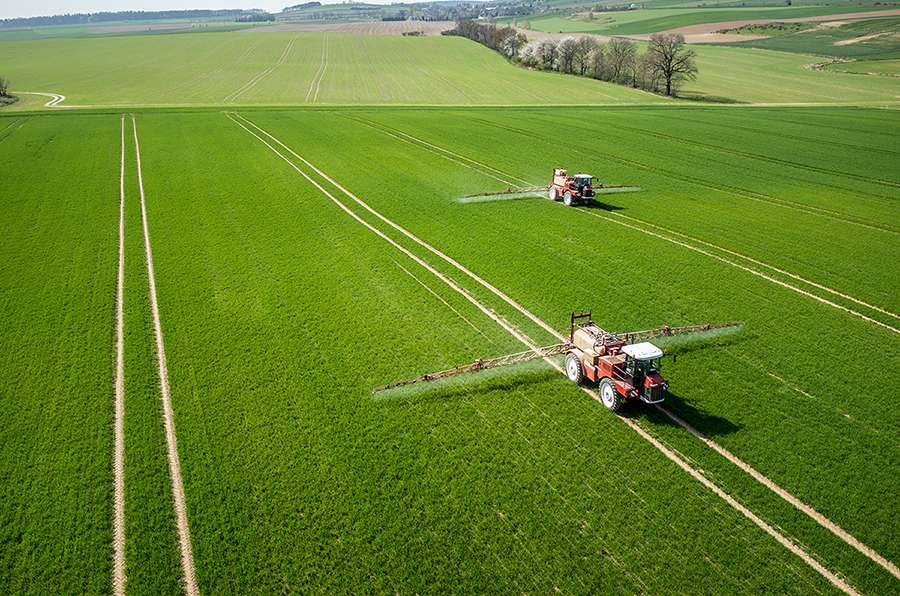
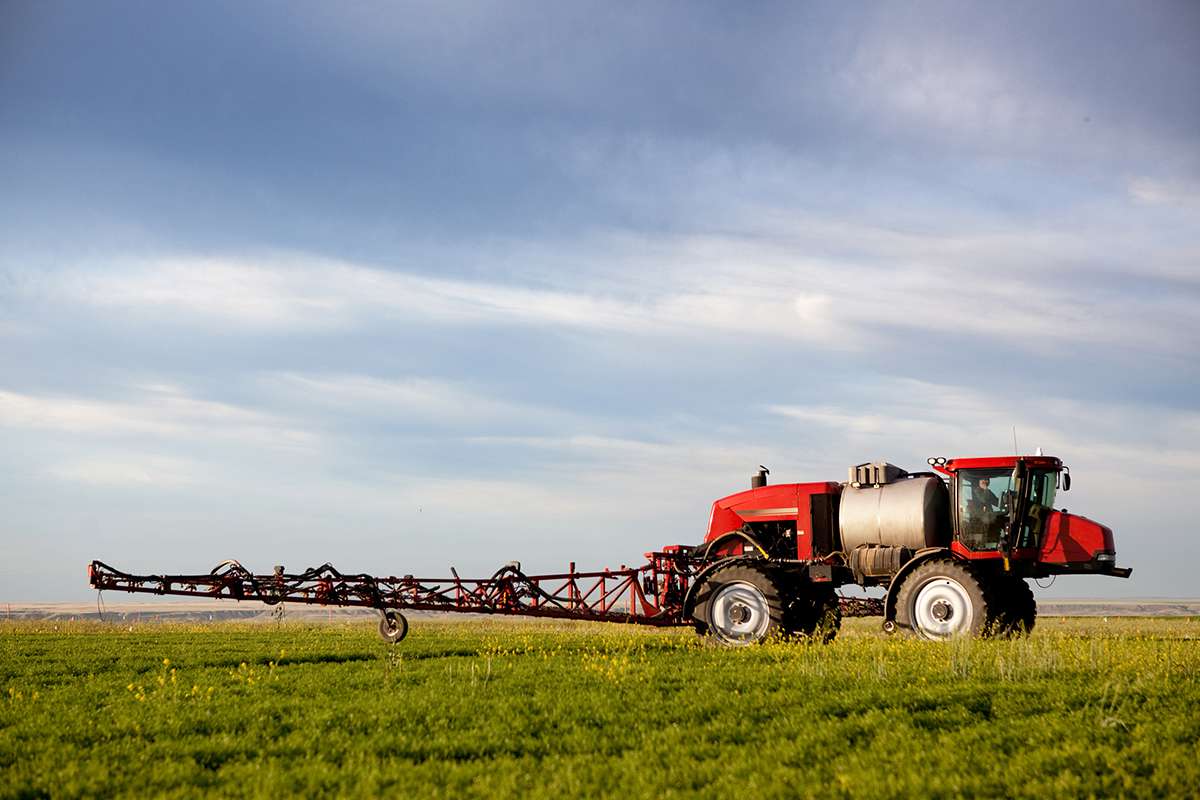
In today's agricultural industry, competition is fiercer than ever. Although the quantity of produce remains essential, the quality ultimately determines the price. To enhance the overall quality of their crops, farmers are turning to specialized equipment, such as sprayers, to prevent insect damage and increase yields. However, sprayers face a unique challenge: if they use thin tires to avoid crushing planted crops, they're more likely to sink in and get stuck. Conversely, if they use wide flotation tires to improve traction, they run a higher risk of running over crops. That's why it's recommended to use floater tires for sprayer before planting and switch to row crop sprayer tires once the crops have grown.

Sprayer Tire Image

Sprayer Tire Size

Selecting the appropriate size for sprayer tires is crucial for effective usage. You can refer to the sprayer's user manual for the recommended sizes or look for the markings on the existing tires. The size of a sprayer tire is indicated by three numbers. The first number represents the width of the tire in millimeters, the second number indicates the sidewall thickness represented as a percentage of the width, and the third number represents the diameter of the wheel in inches. For instance, a tire with a size of IF320/90 R40 has a width of 320mm, a sidewall thickness of 95% of the width, and will fit on a wheel with a diameter of 38 inches. If the tire size is given in the standard format, it will have two numbers separated by a '-'. The first number indicates the tire's width in inches, and the second number denotes the wheel's diameter in inches. For example, a tire size of 11.2-28 indicates that the tire is 11.2 inches wide and will fit on a wheel with a diameter of 28 inches. 


Using a flotation tire for a sprayer can enhance its speed on damp farms. These tires have a wider contact patch, which helps evenly distribute the pressure on the ground, keeping the sprayer above the soil. This feature prevents soil compaction and over-spraying. Floatation tires for sprayers are available in widths ranging from 520mm to 1000mm and run at low pressures to increase the contact patch. They are ideal for pre-plantation application as they carry the risk of driving over the crops during post-yield. In such cases, switching to row crop sprayer tires is recommended. 

Sprayer Tire Image

Buy Sprayer Tires from CEAT Specialty

Selecting an appropriate combination of flotation tires for sprayers and sprayer tires is crucial for ensuring the quality of your crops. An inadequate selection of tires, such as using a row crop skinny sprayer tire in damp conditions, can harm the plantation and result in excessive spraying. Additionally, if the width of the flotation tires for sprayers is not appropriate, it could damage the crops. This is why CEAT Specialty offers a wide range of sizes for both types of sprayer tires, along with varied options for the compound and tread pattern to suit various applications. Whether you require flotation or sprayer tires, we have a comprehensive selection to meet your needs. 

Growing crops requires much attention as they are vulnerable to insect infestations and diseases, which can decrease their yield. To protect crops from such hazards, farmers use chemical sprays that require appropriate sprayer tires to avoid counterproductive results. Traditionally, tall and skinny row crop sprayer tires were used, but they could quickly get stuck in the ground. To address this issue, flotation tires for sprayers with a broader contact patch were introduced, but they risk damaging the planted crop. CEAT Specialty offers row crop sprayer tires and flotation tires for sprayers to cater to both needs. It is recommended to use flotation tires for sprayers before planting and row crop tires after planting to ensure optimal results.

CEAT Specialty has designed its sprayer tires with robust compounds to ensure durability. The tread patterns of these tires are carefully engineered to reduce the risk of getting stuck, even when using crop row tires. Additionally, the larger flotation tires have a smart tread pattern that minimizes damage to the planted crop. Both tires allow for a constant speed, enabling the sprayer nozzle to be used at its full potential without the fear of over spraying. Explore the complete range of CEAT sprayer tires.

Spraymax Tires has explicitly designed for self-propelled sprayers. This tire is built to carry 40% more load than a standard radial tire or the same load as a standard radial tire at 40% lower pressure. The tire's stepped lug design provides better grip and traction, while the center tie bar gives it superior roadability. Its rounded shoulders also help reduce soil and crop damage. The higher NSD (Non-Skid Depth) ensures longer life, making it a durable tire built to last.

Sprayer Tire Image

Have Questions Related to CEAT Specialty Tires?

FAQs

Their narrow profile allows sprayers to pass between crop rows with minimal plant disturbance.


Proper tire pressure improves flotation, reduces soil compaction, and promotes even weight distribution.


Many sprayer tires are engineered to provide traction and flotation in soft or wet soil conditions.


Optimized rolling resistance and better ground contact can contribute to improved fuel economy.

They help maintain consistent machine performance across varying field conditions, reducing downtime and improving operational efficiency.