


ceat-speciality:blogs-tags/all,ceat-speciality:blogs-tags/testimonial
Farming Fragile Soil? CEAT Ag Tires Can Help
Tue, 24 Mar 2026 | PRODUCTS


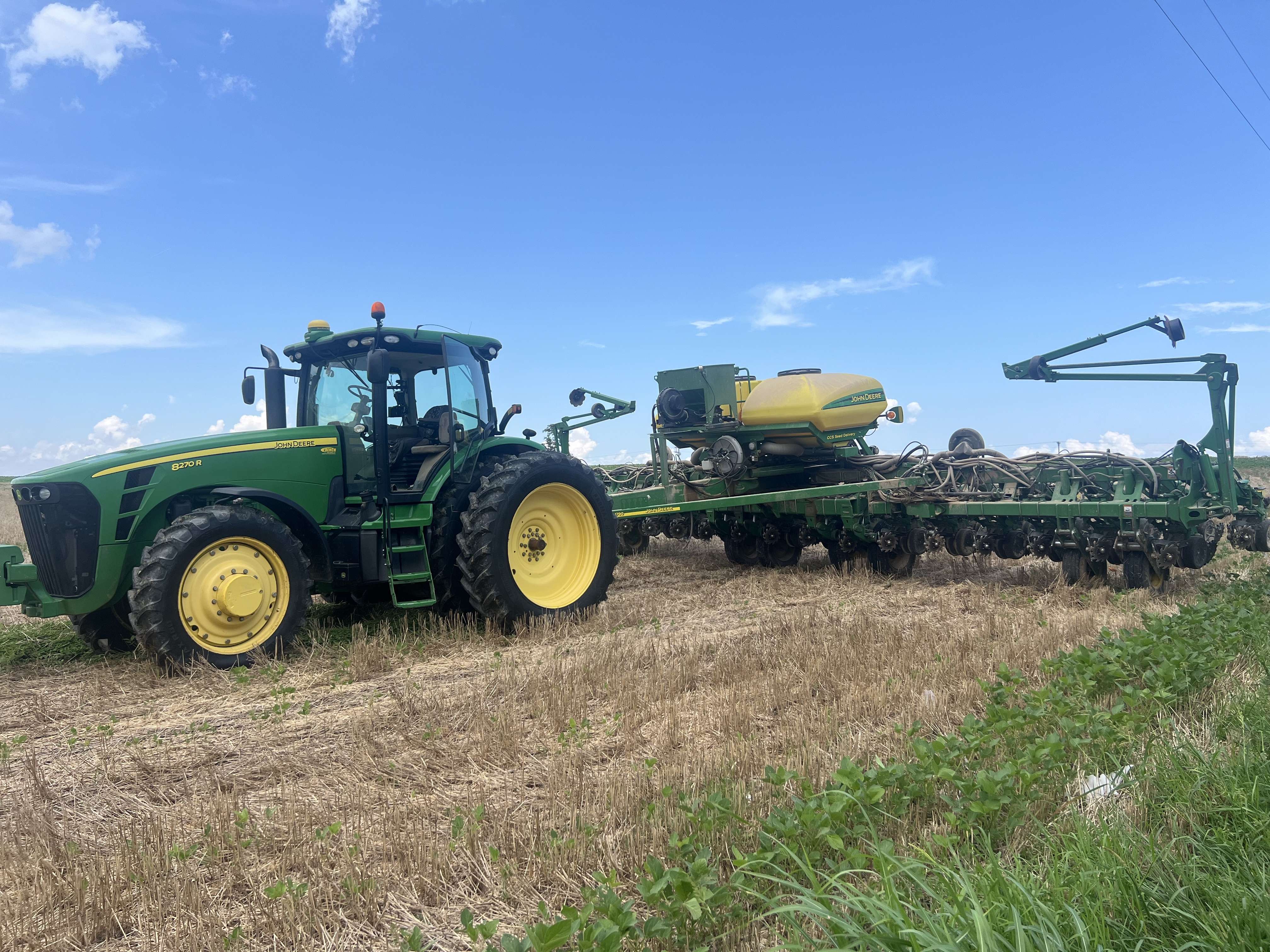
Table of Contents
- CEAT Ag tires minimize soil compaction by combining:
- Many CEAT Ag tires incorporate IF (Increased Flexion) and VF (Very High Flexion) technology.
- The result:
- CEAT Ag tires are engineered to maximize the contact patch (the area touching the soil).
- CEAT tread patterns are not just about traction—they also impact soil health.
Farmers face many challenges such as unpredictable weather and high input costs. Right up there is degradation of the soil. The long-term productivity of soil is essential for sustainable agriculture, and when it's not properly managed, it can lead to a vicious cycle of reduced yields and ecological harm.
No one understands this better than Neil Denton, who grows corn, soybeans and wheat on his farm in Upper West Kentucky.
“Here in upper west Kentucky. We are working with a fragile highly erodible soil. It’s a silt loam. It compacts easily,” Denton says. “One of the things we are looking to do is reducing compaction from our equipment. One of the great features of CEAT tires is they have a shoulder and lug design that is very agronomic . . . reducing compaction while also giving a great ride and great production out of the tire.”
CEAT Ag tires minimize soil compaction by combining:
- Low inflation pressure capability (IF/VF tech)
- Large, evenly distributed footprints
- Efficient tread design that reduces slip
The result: better soil structure, improved root development, and stronger yield potential.
Many CEAT Ag tires incorporate IF (Increased Flexion) and VF (Very High Flexion) technology.
- Carry the same load at significantly lower inflation pressure
- Or carry heavier loads without increasing pressure
The result:
- Lower inflation pressure in the field = less compaction
- Better soil structure preservation across passes
CEAT Ag tires are engineered to maximize the contact patch (the area touching the soil).
- Wider section widths and optimized tread geometry spread machine weight
- More rubber on the ground = lower PSI on the soil surface
- Helps prevent deep ruts and subsoil compaction
Simple truth: Same weight + more area = less pressure
CEAT tread patterns are not just about traction—they also impact soil health.
- Angled lugs distribute force more evenly
- Reduced slippage = less soil disturbance
- Consistent lug depth maintains performance over tire life
- Less slip = fewer shear forces tearing up soil structure.
In summary, soil health is essential for farmers and ranchers to produce high yields and quality crops. Soil compaction is one factor that greatly impacts soil health. CEAT Ag tires provide innovative solutions for farmers and ranchers to reduce the likelihood of soil compaction.


