ceat-speciality:blogs-tags/all,ceat-speciality:blogs-tags/tyre-advice
How to Read Tyre ID Card Ratings & Why It's Important
Thu, 8 Jan 2026 | PRODUCTS


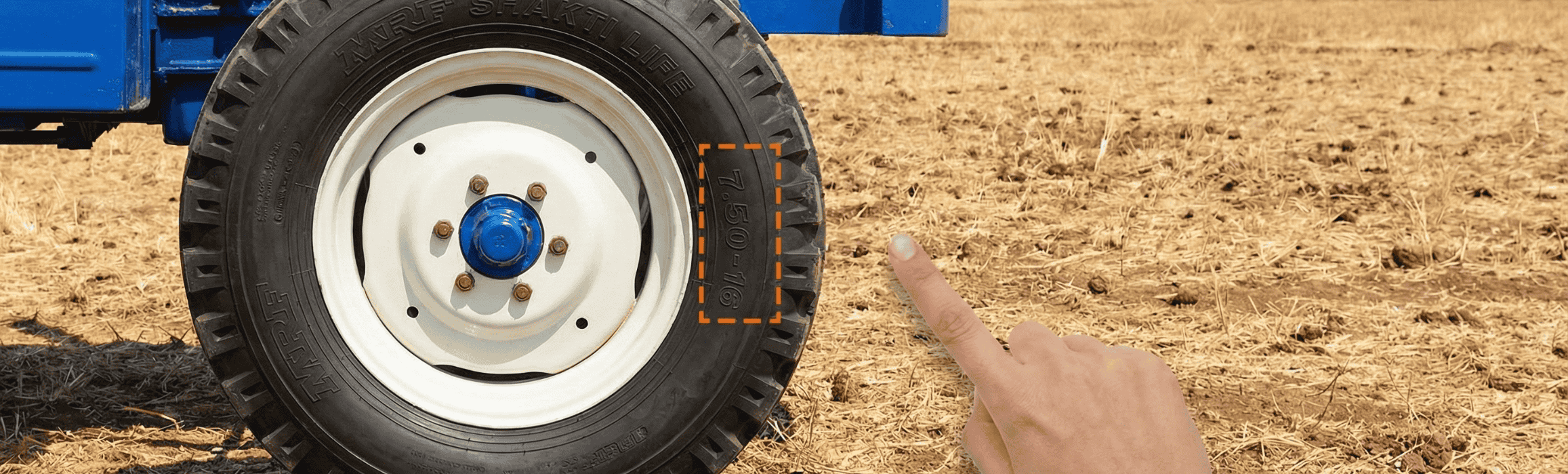
When you buy a new farm tyre, it’s easy to focus on size or brand and overlook the small details printed on the tyre ID card. But those numbers and letters carry crucial information about how your farm tyre performs, how much it can carry, and how safely it can operate. Understanding tyre ID card ratings, especially speed ratings and load ratings, helps you make smarter, safer choices for your vehicle.
What Is a Tyre ID Card?
A tyre ID card (or the markings on the tyre sidewall) is like a quick reference guide to the tyre’s capabilities. It tells you whether a tyre is suitable for your vehicle type, operating conditions, and workload. For your agricultural machinery or industrial equipment, these ratings are even more critical because farm tyres, like CEAT Specialty tyres, operate under heavy loads and demanding environments.
Understanding Load Ratings
In simple terms, the load rating, also called load index, indicates the maximum weight a tyre can safely support when properly inflated. It is important to note that this is not a recommendation but an indication of the safety limit of your farm tyre.
For example, a farm tyre with a higher load rating is designed to handle heavier equipment or cargo without overheating or deforming. Using a farm tyre with an insufficient load rating can lead to premature wear, reduced stability, and even tyre failure. For tractors, forklifts, or trailers, matching the load rating to real working conditions is essential to maintain productivity and safety.
What Are Speed Ratings?
Tyre speed ratings tell you the maximum speed at which a farm tyre can carry its rated load safely. These are usually represented by letters such as A, B, or higher categories depending on the application.
While speed may seem less important for off-highway or specialty vehicles, it still matters. Certain operations, like transporting equipment between sites, require tyres that can handle higher speeds without excessive heat buildup. Ignoring speed ratings can reduce farm tyre life and increase the risk of damage, especially during longer or faster runs.
To help you understand better, let’s take an example of Vardhan Front tractor tyres for the size 6.00 - 16. This will be mentioned on the tyre sidewall or on the tyre ID card. CEAT Specialty tyres have a specifications chart that will help you identify the load index for this size which is 94 and speed rating as A6, which translates to suggested speed limit is 30 km/h.
Why These Ratings Matter More Than You Think
Tyre ID card ratings are not just technical notations. They directly impact how you drive, tyre limitations and efficiency of your farm tyre in terms of:
Safety: Correct load and speed ratings reduce the risk of blowouts and accidents.
Performance: Tyres work as designed, offering better traction, stability, and control.
Cost-efficiency: Using the right-rated tyre prevents uneven wear and frequent replacements.
Compliance: Many industries require tyres to meet specific rating standards for legal and operational reasons.
Choosing the Right Farm Tyre
When selecting farm tyres, always compare your vehicle’s requirements with the tyre’s load and speed ratings. Reputable manufacturers, such as CEAT Specialty tyres, clearly specify these ratings to help users choose the right product for agriculture, construction, or industrial use. Their farm tyre range is designed to balance durability, performance, and safety across demanding applications.
Final Thoughts
Reading tyre ID card ratings may take a few extra minutes, but it pays off in the long run. By understanding speed ratings, load ratings, and their real-world impact, you protect your equipment, improve efficiency, and ensure safer operations. The next time you check a farm tyre, look beyond the size, those ratings tell a story that every machinery and equipment owner should understand.