ceat-speciality:blogs-tags/all,ceat-speciality:blogs-tags/tyre-advice
Tractor Tyre Sizes Explained: Which One is Right for You?
Mon, 11 May 2026 | PRODUCTS


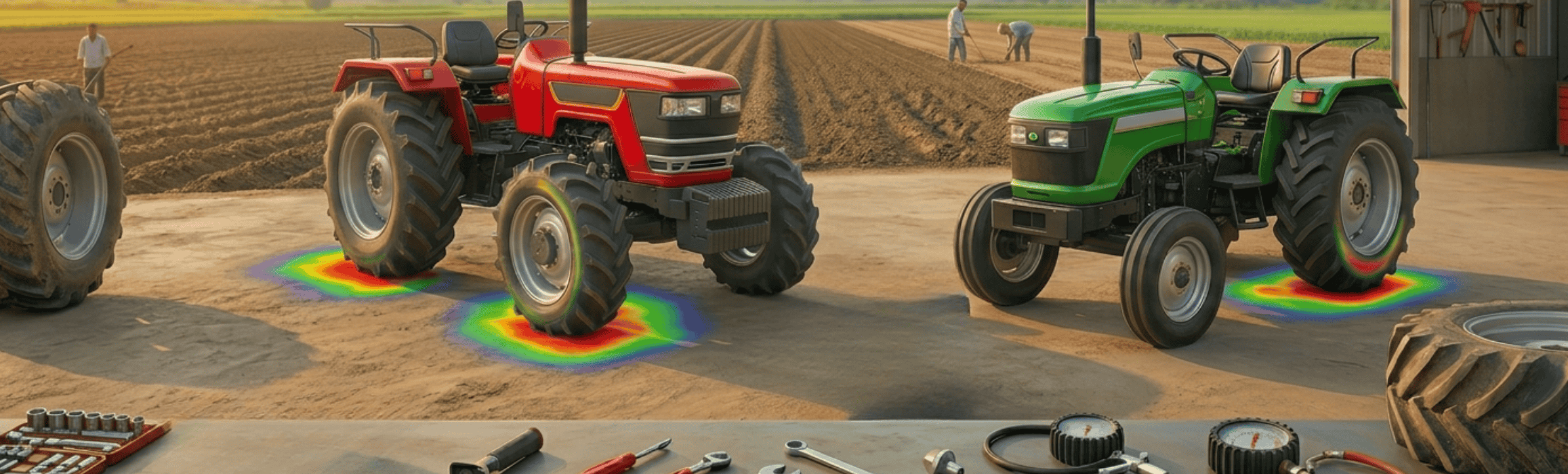
In the evolving landscape of precision agriculture in 2026, selecting the correct tractor tyre isn't just about 'fitting the rim.' It is a strategic decision that directly impacts fuel efficiency, soil health, and your bottom line. Experts leading in agricultural tire technology, like CEAT Specialty tyres, understand that the sheer volume of numbers on a sidewall can be daunting without any knowledge about them.
This agricultural tire size guide 2026 is designed to decode those markings and help you choose the high-performance solutions, from trusted brands like CEAT Specialty tractor tyres, that your operation demands.
1. How to Read Tractor Tire Sizes: Tyre Sizing System in India
Modern tractors use the following primary system for tyre sizing. Understanding these is the first step in using a tractor tyre size chart effectively.
The Imperial/Standard System (Traditional)
Example: 18.4 - 38
- 18.4: Section width in inches.
- Dash (-) : Bias-ply construction (indicated by a dash).
- 38: Rim diameter in inches.
2. The 2026 Tractor Tyre Size Chart: Applications
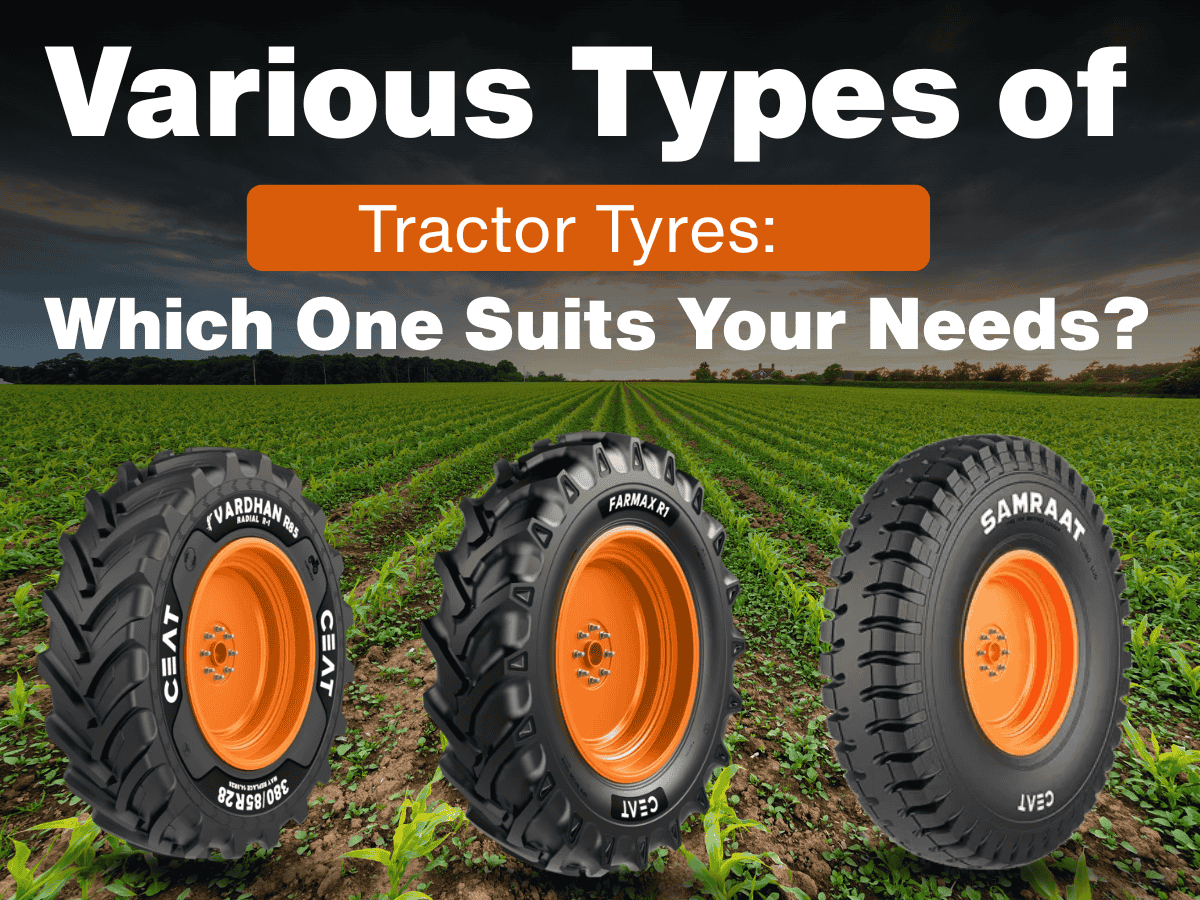
When upgrading from older bias-ply tires to modern bias tyres like the CEAT Specialty’s Farmax agri tyre series, use this table to refer to the following application table to find the right fit for your existing rims.
| Imperial Size (Bias) | Application |
12.4 - 24 | Compact & Utility Tractors |
16.9 - 30 | Mid-Range Field Work |
18.4 - 38 | High-Horsepower Tillage |
20.8 - 42 | Heavy Duty / Row Crop |
3. Why Size Matters: The CEAT Specialty Advantage
Choosing the right tractor tyre size isn't just about clearance; it’s about footprint. In 2026, the focus has shifted toward VF (Very High Flexion) and IF (Increased Flexion) technologies.
Optimised Traction and Soil Health
CEAT Specialty tractor tyres are engineered with a higher R1W lug depth. This provides:
- Lower Soil Compaction: A wider metric size allows for lower inflation pressure, spreading the tractor's weight over a larger surface area.
- Fuel Efficiency: Correct sizing reduces slipping. If your tyres are too narrow for the load, you lose power to the ground.
- Self-Cleaning Lugs: The angle of CEAT lugs is specifically designed to shed mud, ensuring constant grip in heavy clay or wet conditions.
4. Criteria for Choosing Your Next Tractor Tyre
To determine which tractor tyre is right for you, ask yourself these three expert-level questions:
1. What is my primary task?
- Tillage/Ploughing: Look for wider section widths (e.g., 600mm+) to maximise grip.
- Row Crop/Spraying: You need narrow row crop sizes to fit between plant rows without damaging the root system.
2. What is my Load Index requirement?
Modern implements are heavier than ever. Always check the Load Index (a numerical code following the size) to ensure the tyre can handle the maximum weight of your ballast and implements at road speeds.
3. Can I upgrade to a larger Diameter?
If your tractor frame allows, increasing the overall diameter (OD) while keeping the rim size constant can improve mileage and 'float' over soft soil.
5. Summary: Expert Recommendations for 2026
The 'right' tyre is the one that balances the mechanical limits of your machine with the biological needs of your soil.
- For Versatility: We recommend the CEAT Specialty Vardhan series for its balance of load carrying capacity and field traction.
- For Heavy Loads: Look into IF/VF rated tyres which allow you to carry 20-40% more load at the same pressure as standard tyres.
Expert Tip: Always refer to your tractor’s technical manual before changing tyre sizes. Maintaining the correct ratio on 4WD tractors is critical to prevent transmission damage.