ceat-speciality:blogs-tags/all,ceat-speciality:blogs-tags/tyre-advice
Best Bias Tractor Tyres 2026: The Ultimate Guide for Maximising Farm Productivity
Fri, 15 May 2026 | PRODUCTS


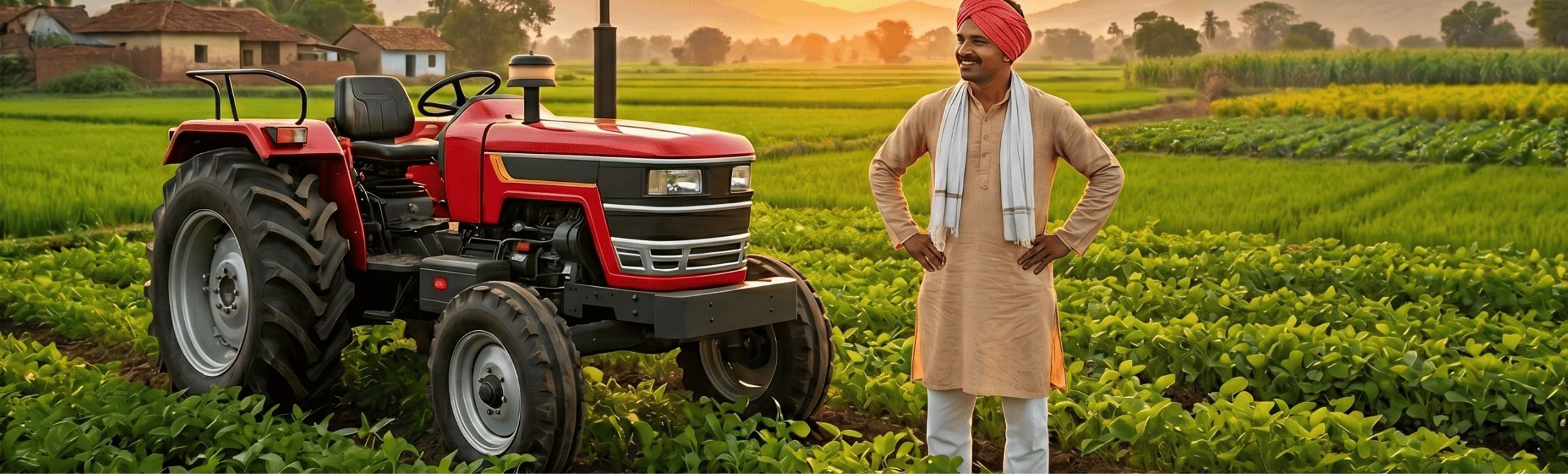
As agricultural technology evolves, the debate between radial and bias-ply tyres remains a critical decision point for farmers. While radials offer benefits in high-speed transport, bias tractor tyres remain the backbone of heavy-duty tillage and high-load applications due to their unmatched sidewall strength and cost-efficiency.
In this guide, we leverage decades of agronomic engineering expertise to evaluate the best bias tractor tyres for 2026, specifically focusing on how structural integrity impacts your bottom line.
Why Bias Tyres Still Dominate the Field in 2026
We have observed with research focused on the efficiency of tractor tyre construction that bias-ply tractor tyres are often the superior choice for specific farming environments. Their construction consists of multiple rubberised fabric plies laid diagonally from bead to bead.
Key Advantages for Modern Farmers:
- Sidewall Durability: Unlike radials, which have flexible sidewalls, bias tyres feature a rigid structure. This makes them highly resistant to punctures and cuts in rocky terrains that Indian regions possess.
- Stability on Slopes: The stiffness of the casing provides better lateral stability, reducing instability when operating on hilly landscapes.
- Cost-Effectiveness: For utility tractors and equipment not used for high-speed roading, bias tyres offer a significantly lower initial investment.
Top Recommendations: Best Bias Tractor Tyres for 2026
When selecting the right fitment, we prioritise superior traction, self-cleaning properties, and stubborn durability. Based on field performance data, here are the top picks.
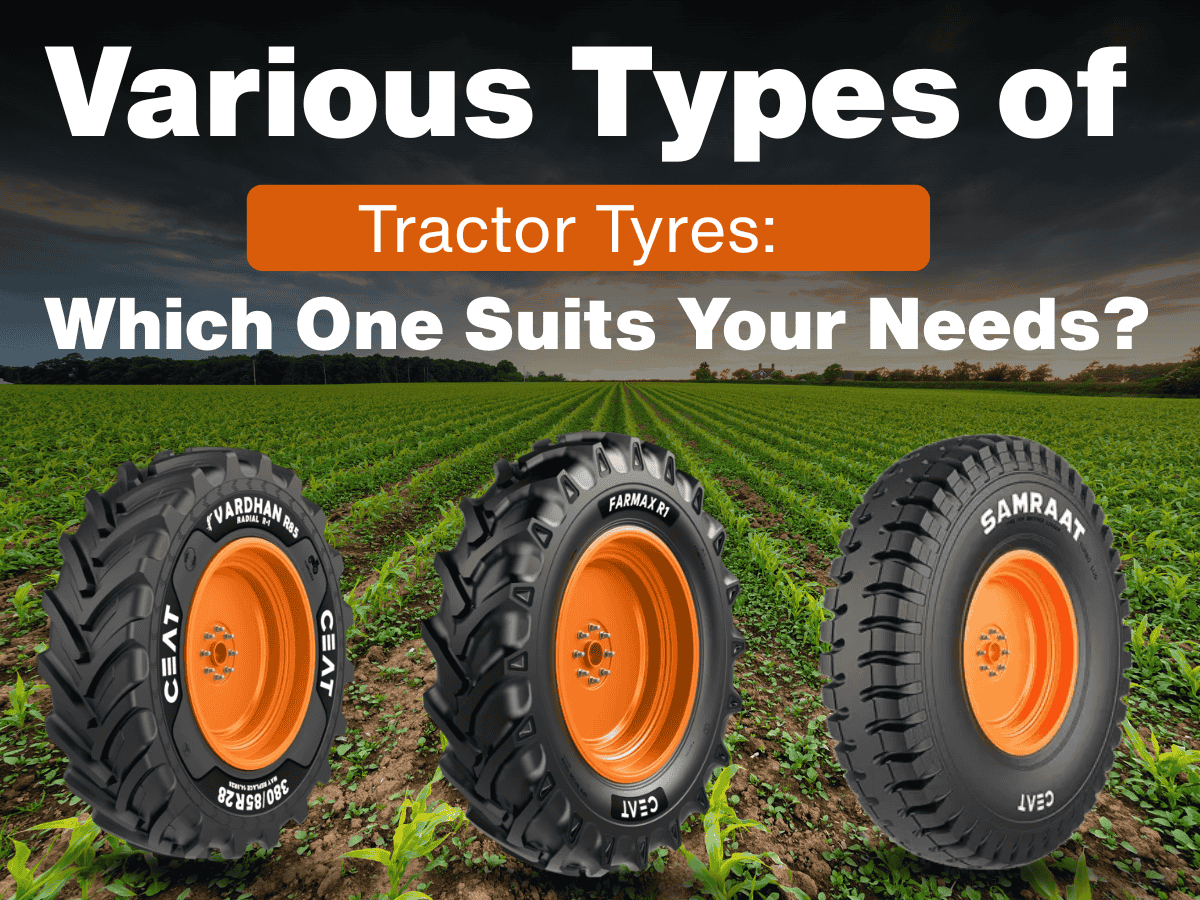
1. CEAT Specialty Aayushmaan Tyres: The Efficiency Champion
The Aayushmaan tractor tyre range has emerged as a benchmark for bias rear tractor tyres. It is engineered specifically for farmers who need a balance between heavy-duty haulage and field preparation.
- Design Advantage: Features a superior triple angle lug geometry that ensures a larger footprint.
- Key Benefit: Enhanced self-cleaning properties, which prevent mud buildup and maintain traction in wet clay soils.
- Best For: General farming and heavy haulage.
2. CEAT Specialty Puddle X3 Tyres: Precision Control in Wetlands
CEAT Specialty’s newest range Puddle X3 tractor tyre is a contender in 2026 agricultural landscape
- Design Advantage: Open lugs and angled shoulder to navigate muddy conditions
- Key Benefit: Reinforced carcass that serves longer tyre life.
- Best For: Agricultural activities in muddy and wet conditions.
3. CEAT Specialty Vardhan Tyres: The Heavy-Lifter
The Vardhan tractor tyre series is /content/dam/ceatspeciality/blogs-images/india/best-bias-tractor-tyres-2026-the-ultimate-guide-for-maximising-farm-productivitydesigned for high-HP tractors performing deep plowing and subsoiling.
- Design Advantage: Extra-deep lugs with a reinforced casing.
- Key Benefit: Massive pulling power and resistance to lug tearing.
Technical Comparison: Bias vs. Radial in 2026
| Feature | Bias-Ply Tyres | Radial Tyres |
Sidewall Strength | High (Rigid) | Low (Flexible) |
Footprint | Rounder/Smaller | Flat/Wide |
Best Use Case | Forestry, Stumps, Slopes | Roading, Compaction Sensitive |
Maintenance | High Tolerance to Bruising | Sensitive to Low Pressure |
Buying Guide: How to Choose the Best Tractor Tyres for Farmers
To ensure you are getting the most out of your investment, consider these three factors:
1. Soil Type and Compaction
If you work in extremely soft soil where flotation is key, ensure your bias tyre has a wider section width. However, if you are working in stump-heavy areas, the thick sidewall of a CEAT Specialty bias tractor tyre is non-negotiable.
2. Lug Angle and Self-Cleaning
A 45-degree lug angle is the efficient zone for bias tyres. It is steep enough to push mud out from the center but flat enough to provide a smooth ride on hard-pack roads.
3. Load Index and Ply Rating
In 2026, we look beyond just ply rating and focus on actual load-carrying capacity at specific PSIs. Always cross-reference your tractor’s weight with the manufacturer’s load table found on the CEAT Specialty website.
Expert Tip: Extending the Life of Your Bias Tyres
To maximise the ROI of your best bias tractor tyres in 2026, we recommend the following protocol:
- Check: Monitor for "checking" or weather-cracking in the sidewalls.
- Adjust: Change PSI based on the implement weight; never over-inflate, as this causes rapid center-wear.
- Clean: Remove debris from the rim flange to prevent slow leaks and bead corrosion.
Final Verdict
For the modern farmer, the CEAT Specialty tractor tyre range offers the most technologically advanced bias tractor tyre options on the market. Whether it is the Aayushmaan for all-around reliability or the Vardhan for raw power, choosing a tyre backed by rigorous R&D ensures your tractor stays in the field and out of the repair shop.
Are you ready to upgrade your traction?
Explore the full range of high-performance agricultural solutions at CEAT Specialty to find the perfect fit for your local soil conditions.