ceat-speciality:blogs-tags/all,ceat-speciality:blogs-tags/tyre-advice
Sustainable Off-Road Fleet Strategies: How Tyre Longevity and Rolling Resistance Lower Carbon Footprints
Wed, 5 Aug 2026 | PRODUCTS


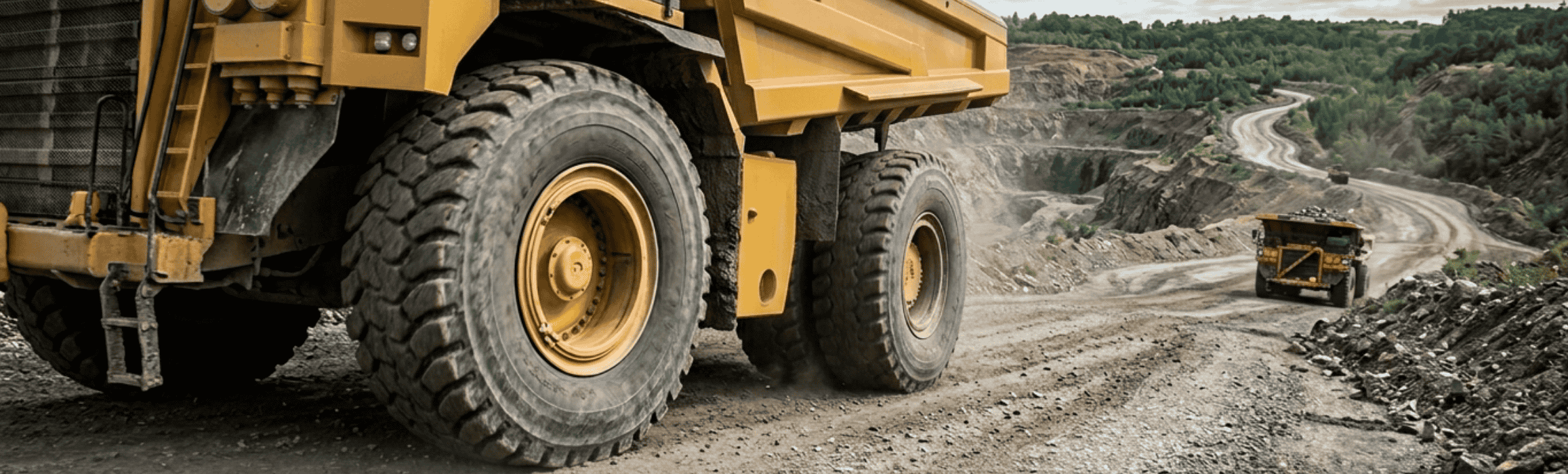
Off-road fleet operations face intense pressure to reduce greenhouse gas emissions while maintaining profitability. Achieving eco-friendly fleet operations requires a strategic focus on heavy-duty components, specifically the selection and management of tractor tyres and agro-industrial rubber.
Optimising tyre longevity and reducing rolling resistance are the two most effective levers for lowering a fleet's environmental impact. These strategies directly cut fuel consumption, minimise raw material waste, and decrease overall carbon emissions.
Implementing these sustainable off-road fleet strategies allows managers to maximise machinery efficiency. By partnering with advanced manufacturers like CEAT Specialty tyres, operators can hit strict sustainability targets without sacrificing field performance.
Tyre longevity and low rolling resistance reduce off-road fleet carbon footprints by decreasing fuel burn and extending product lifecycles. Low rolling resistance minimises energy loss during motion, while enhanced durability prevents premature tyre disposal. This twin-approach cuts emissions and reduces the total cost of ownership.
Key Takeaways for Fleet Managers:
- Reduced Rolling Resistance: Lowers fuel consumption by up to 10%, directly reducing tailpipe CO2 emissions.
- Extended Tyre Durability: Prolongs replacement intervals, reducing the environmental impact of manufacturing and disposal.
- Soil Compaction Mitigation: Advanced tractor tyres protect soil health, preserving carbon-sink capabilities.
- Lowered TCO: Combines fuel savings with fewer tyre purchases to optimise fleet economics.
How Does Rolling Resistance Impact Eco-Friendly Fleet Operations?
Rolling resistance is the energy a vehicle must expend to maintain motion at a constant speed over a surface. In off-road environments like agriculture and construction, high rolling resistance forces engines to work harder, which drastically increases fuel consumption and carbon output.
Selecting tractor tyres engineered for low rolling resistance is critical to building eco-friendly fleet operations. Advanced rubber compounds and optimised tread profiles minimise tread flexing, energy dissipation, and unwanted slippage on soft terrain.
Fuel and Carbon Savings Breakdown:
- Energy Efficiency: Lower rolling resistance reduces the internal friction of the tire casing, converting more engine power directly into tractive force.
- Reduced Emissions: Every gallon of diesel saved eliminates approximately 22.4 pounds of CO2 from entering the atmosphere.
- Tread Optimisation: Deep, optimised lug angles ensure efficient self-cleaning, preventing the tyre from spinning and wasting energy in muddy conditions.
Why Is OTR Tyre Durability Critical for Lowering Total Cost of Ownership?
OTR (Off-the-Road) tyre durability directly affects both environmental sustainability and financial performance. Premature tyre failure forces fleets to purchase replacement units frequently, which increases material waste and escalates the fleet's total cost of ownership (TCO).
Extending the operational lifespan of heavy-duty tyres conserves the raw materials, energy, and water required to manufacture new units. Durable tractor tyres rely on robust casing designs and cut-resistant compounds to withstand punctures, rocky terrain, and heavy load cycles.
Factors Influencing Durability and Cost:
| Component Metric | Impact on Sustainability | Impact on TCO |
Robust Casing | Allows for multiple retreading cycles, saving raw rubber. | Lowers cost-per-hour metrics by extending base tyre life. |
Cut & Chip Compounds | Prevents chunking and tearing in severe off-road environments. | Reduces unscheduled downtime and premature replacements. |
Steel Belting | Increases load-carrying capacity and stabilises the tread area. | Protects the carcass from structural failures. |
How Do CEAT Specialty Tyres Improve Agriculture Fleet Efficiency?
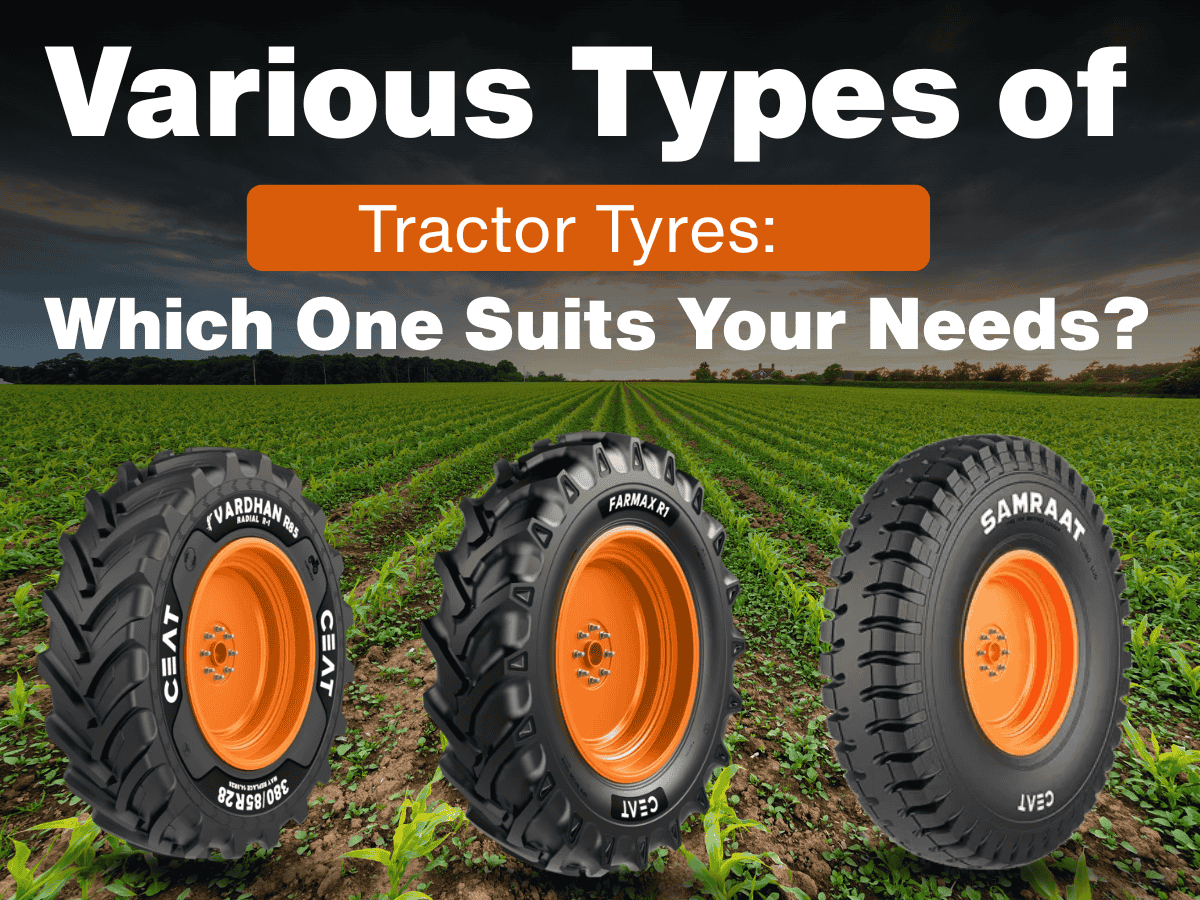
CEAT Specialty tyres designs agricultural and industrial solutions that target the root causes of off-road fleet emissions. Through advanced engineering, these tyres optimise the footprint contact area, balance load distribution, and lower rolling resistance across diverse soil types.
Utilising bias-ply construction, in which multiple layers of reinforcing cords are arranged diagonally and overlap each other, CEAT Specialty Tyres are designed for durability, load-carrying capability, and resistance to impacts in demanding agricultural environments. Their robust construction helps maintain tyre integrity under heavy loads and challenging terrain, reducing downtime and supporting consistent machine performance. By delivering reliable traction and minimising tyre-related interruptions, bias tractor tyres can contribute to operational efficiency and productivity in the field.
Key Technical Advantages:
1. Reduced Soil Compaction: Larger tyre footprints distribute vehicle weight evenly, protecting soil structure and yield potential.
2. Enhanced Traction: Optimised lug geometry and tread design improve ground engagement, helping to reduce wheel slip and increase operational efficiency in agricultural applications.
3. Fuel Conservation: Enhanced traction yields a direct drop in fuel consumption during heavy tillage and transport operations.