ceat-speciality:blogs-tags/all,ceat-speciality:blogs-tags/tyre-advice
Why Farm Mechanisation Is Driving Agricultural Tyre Innovation
Wed, 12 Aug 2026 | PRODUCTS


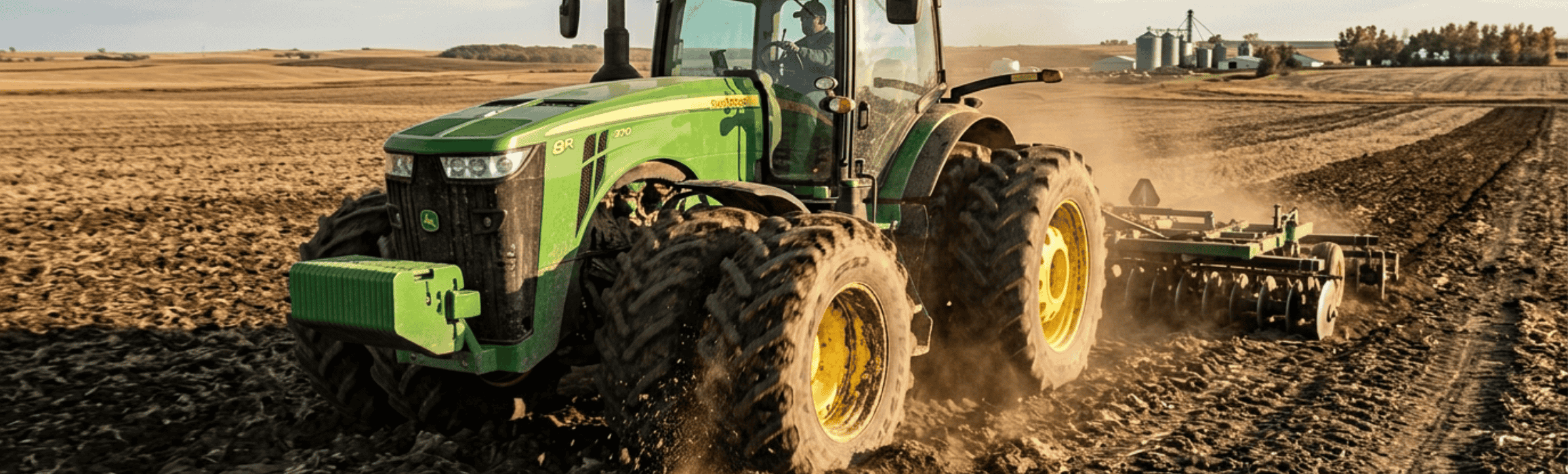
Table of Contents
Rapid farm mechanisation is shifting the global agricultural sector toward heavier, more powerful machinery to increase crop yields. As tractors, harvesters and sprayers scale up in size, traditional tractor tyres can no longer support the massive weight without severely damaging the soil.
Modern farm equipment demands advanced engineering to minimise soil compaction and maximise fuel efficiency. This structural shift is directly pushing manufacturers to focus on tractor tyre innovation, developing advanced designs that distribute heavy loads evenly across the field.
Leading global brands like CEAT Specialty tyres are at the forefront of this evolution, engineering high-volume radial solutions built for high-horsepower equipment. By introducing advanced tread compounds and strong sidewalls, modern tyres directly solve the core operational challenges introduced by heavy farm mechanisation.
Farm mechanisation drives agricultural tyre innovation because large, high-horsepower machinery requires advanced engineering to support heavier loads while protecting soil health. Modern mechanised farming depends on specialised tractor tyre innovation to prevent yield loss from soil compaction, reduce wheel slip and improve fuel economy.
- Heavier Machinery Protection: Advanced tractor tyres distribute massive machine weights over a larger surface area to prevent deep soil compaction.
- Traction Optimisation: Innovative tread angles and integrated mud breakers maximise torque transfer, reducing tyre slippage in heavy pulling conditions.
- High-Volume Engineering: Modern radial designs leverage strong polyester carcasses and rigid steel belts to handle higher load indexes at lower inflation pressures.
How Does Soil Compaction From Heavy Machinery Force Tractor Tyre Innovation?
Heavy agricultural machinery exerts immense downward force, crushing the air and water pockets out of fertile soil. When soil becomes densely compacted, plant roots cannot penetrate deeply and water infiltration drops significantly, leading to measurable crop yield reduction.
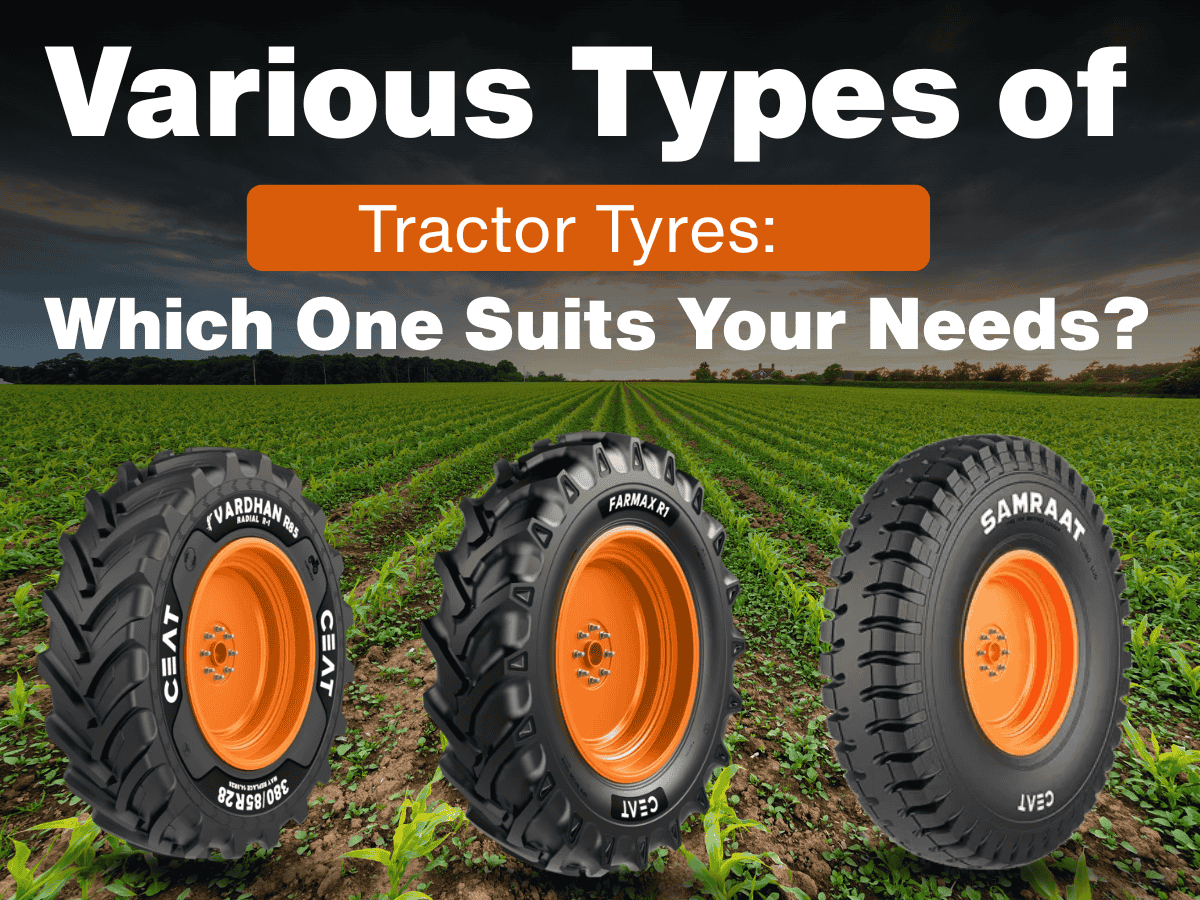
To address the agricultural tyre market trends in 2026, they continue to highlight the value of the robust bias-ply tractor tyres for a wide range of farming applications. Their reinforced cross-ply construction delivers excellent durability, sidewall strength and resistance to impacts, making them well-suited for rough terrain, heavy duty fieldwork and mixed on and off-road use.This dependable design provides consistent performance while supporting equipment stability in challenging environments.
- Robust Construction: The multi-layer cross-ply design enhances resistance to cuts, punctures, and impacts, ensuring long service life in demanding conditions.
- High Load Stability: Strong sidewalls provide reliable support under heavy loads, making bias tyres suitable for implements, trailers, and equipment operating on uneven terrain.
- Cost-Effective Performance: Bias tyres offer a durable and economical solution with lower initial investment, making them a practical choice for many agricultural applications where ruggedness and reliability are prioritised.
What Structural Engineering Features Define Modern CEAT Specialty Tyres?
Advanced farm mechanisation requires specialised construction features capable of handling brutal torque and intense load variations. CEAT Specialty tyres integrate high-volume designs paired with robust interior materials to maximise field life and protect machine components.
| Structural Feature | Operational Benefit |
Strong Polyester Carcass & Rigid Belts | Provides superior stability and high resistance to cuts/punctures |
High Volume Design & Wider B2B Distance | Increases load carrying capacity at lower field inflation pressures |
Optimised Tread Angle with Mud Breakers | Ensures aggressive traction and rapid self-cleaning in wet soils |
By increasing the bead-to-bead (B2B) distance and utilising reinforced bead construction, models like the CEAT Specialty Vardhan R85 tyre offer exceptional load distribution. The inclusion of dedicated mud breakers within the tread ensures the tyre cleans itself automatically during rotation, preventing mud buildup from reducing pulling power.
Why Do Higher Horsepower Tractors Require Advanced Radial Traction?
As global tractor platforms push past 150 to 300+ horsepower, transferring that massive mechanical torque to loose field surfaces becomes a critical bottleneck. Regular tyres suffer from high wheel slip, wasting fuel, accelerating tread wear and destroying soil structure via tire spinning.
Tractor tyre innovation solves this by optimising lug angles and geometry. A dual-angle tread pattern delivers high traction at the center while offering strong lateral stability at the shoulder.
1. Torque Transfer: Optimised tread lugs bite cleanly into the soil, converting raw engine horsepower into forward draft force.
2. Slip Reduction: Keeping wheel slip within the ideal 10-15% zone minimises fuel consumption per acre.
3. Self-Cleaning Action: Continuous mud ejection prevents the tread from smoothing over, ensuring steady grip in waterlogged clay or deep slush.
How Do Specialised Applications Like Puddle Farming Shape Tyre Design?
Farm mechanisation isn't uniform; it adapts to specific crop requirements, which in turn demands hyper-specialised agricultural tyre engineering. Rice farming and wetland cultivation require machinery to operate continuously in deeply saturated puddles and flooded fields.
Standard tractor tyres quickly bog down or spin out in these deep conditions. This specialised need led directly to the development of deep-lug profiles, such as the CEAT Specialty Puddle X3 tyre.
- Extra-Deep Lug Depth: Penetrates through loose mud layers to reach firmer sub-base soil for positive traction.
- Longer Service Life: Specialised, cut-and-chip resistant rubber compounds prevent early casing failure from hidden stubble or stones underwater.
- Enhanced Machine Stability: Rigid lug structures minimise lateral swaying when navigating deep, slick ruts.
Final Thoughts
From reinforced carcass construction and optimised tread geometry to specialised designs for high-horsepower tractors and puddle farming. CEAT Specialty tyres are engineered to deliver reliable traction, greater durability and consistent performance in demanding agricultural conditions. Explore the range to find the right tyre for your farming needs.