ceat-speciality:blogs-tags/all,ceat-speciality:blogs-tags/tyre-care
Spring Tractor Tyre Care: Avoid Costly Repairs with These Simple Steps
Sat, 2 May 2026 | PRODUCTS


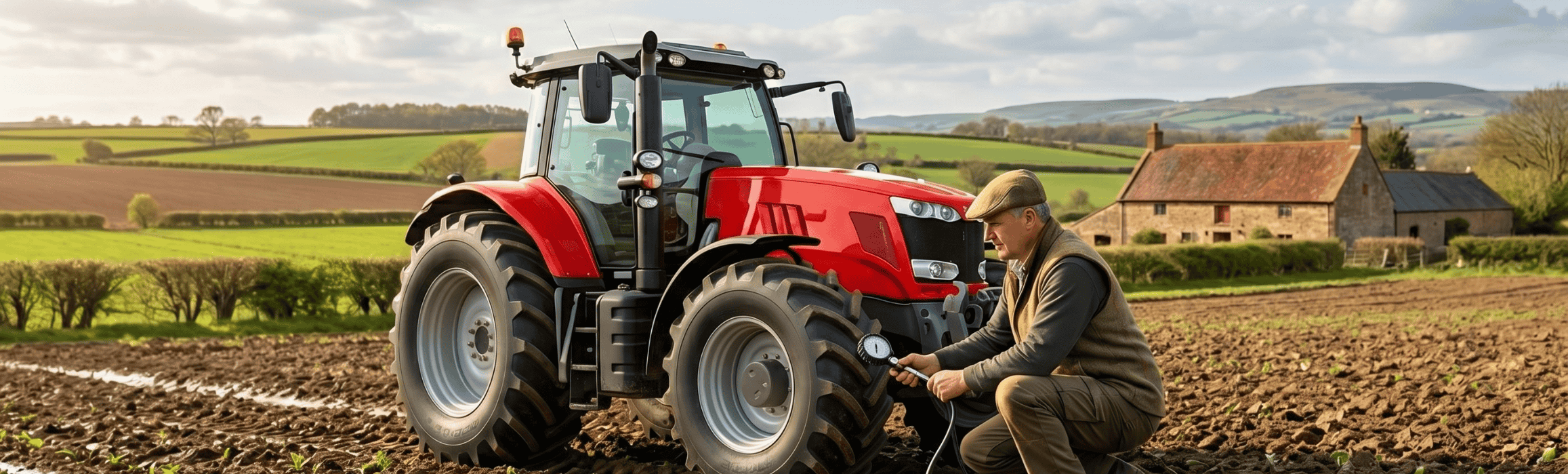
As we head into the peak 2026 farming season, your tractor's performance hinges on one critical, often overlooked component: the contact between tyre and the soil. After a winter of storage or intermittent use, jumping straight into heavy fieldwork without a proper tractor tyre maintenance check is a recipe for expensive downtime.
Farmers and brands like CEAT Specialty tyres have experienced how simple oversight leads to carcass failure or 20% premature tread wear. This guide provides a professional framework for budget-friendly tractor maintenance to ensure your fleet is field-ready.
1. The 360-Degree Visual Inspection
Before you can commence your spring farming tasks, conduct a thorough "walk-around" inspection. Environmental factors during winter, fluctuating temperatures and ozone exposure, can degrade rubber compounds.
- Check for Weather Cracking: Look for fine cracks in the sidewalls. If cracks are deep enough to expose the internal tire plies, the tyre’s structural integrity is compromised.
- Identify Hidden Debris: Inspect the gaps between lugs for stones, metal, or stubble from last season. Removing these prevents debris accumulation into the tyre carcass.
- The 10% Rule: If your tread lugs are worn down to less than 10% of their original height, your traction will plummet, increasing fuel consumption and soil compaction.
2. Precision Pressure: The Key to Efficiency
Adjusting tractor tyre pressure is the single most effective way to save money. Pressure isn't "set and forget"; it must be calibrated based on your spring implements.
| Condition | Pressure Logic | Benefit |
Field Work | Lower Pressure | Increases footprint, reduces soil compaction. |
Road Transport | Higher Pressure | Reduces rolling resistance and heat build-up. |
Heavy Implements | Increase per Load Table | Prevents sidewall and bead damage. |
CEAT Specialty recommends: Under-inflation by just 10% can reduce tyre life by 15%. Always check pressures when the tyres are at normal temperature (before operation) for an accurate reading.
3. Mechanical Alignment & Rotation
If you noticed uneven wear last season, now is the time to fix it. How to inspect tractor tyres for mechanical issues involves looking at the wear pattern:
- One-sided wear: Usually indicates a toe-in or camber issue.
- Leading edge wear: Often caused by excessive road travel at high speeds.
For tractors frequently used on pavement, rotating tractor tyres can help even out the wear caused by the crown of the road, effectively extending the life of your investment.
4. Rim and Valve Health
Costly repairs often start at the rim. Corrosion from liquid ballasting (calcium chloride) or mud buildup can cause the tyre bead to seat improperly, leading to slow leaks.
- Clean the Bead Seat: Ensure the area where the rubber meets the metal is free of rust and debris.
- Valve Caps are Mandatory: In the dusty environment of spring planting, a missing valve cap allows grit to enter the valve core, causing a slow leak that can ruin a carcass in a single afternoon.
5. Why Choose CEAT Specialty Tractor Tyres?
When maintenance is no longer enough and replacement is necessary, choosing the right technology matters. CEAT Specialty tractor tyres are engineered with advanced VF (Very High Flexion) and IF (Increased Flexion) technology. These allow you to carry up to 40% more load at the same pressure, or the same load at 40% lower pressure, directly addressing the dual challenges of soil health and fuel economy.
In Conclusion: Best Tractor Tyre Maintenance Checklist for Spring
- Clean tyres and rims of all winter grime and "gunk."
- Inspect sidewalls for deep cuts or ply separation.
- Calibrate pressure based on your heaviest spring implement.
- Check and torque wheel nuts to manufacturer specifications.
Tractor tyres are a significant investment. By following these professional maintenance steps, you aren't just avoiding repairs, you're ensuring your farm operates at peak thermal and mechanical efficiency all season long.
What implements are you planning to run this spring, and have you adjusted your tyre pressures to match those specific loads?