


ceat-speciality:blogs-tags/all,ceat-speciality:blogs-tags/tyre-advice
Precision Agriculture & Tyres: A Guide for Farmers
Wed, 25 Mar 2026 | PRODUCTS


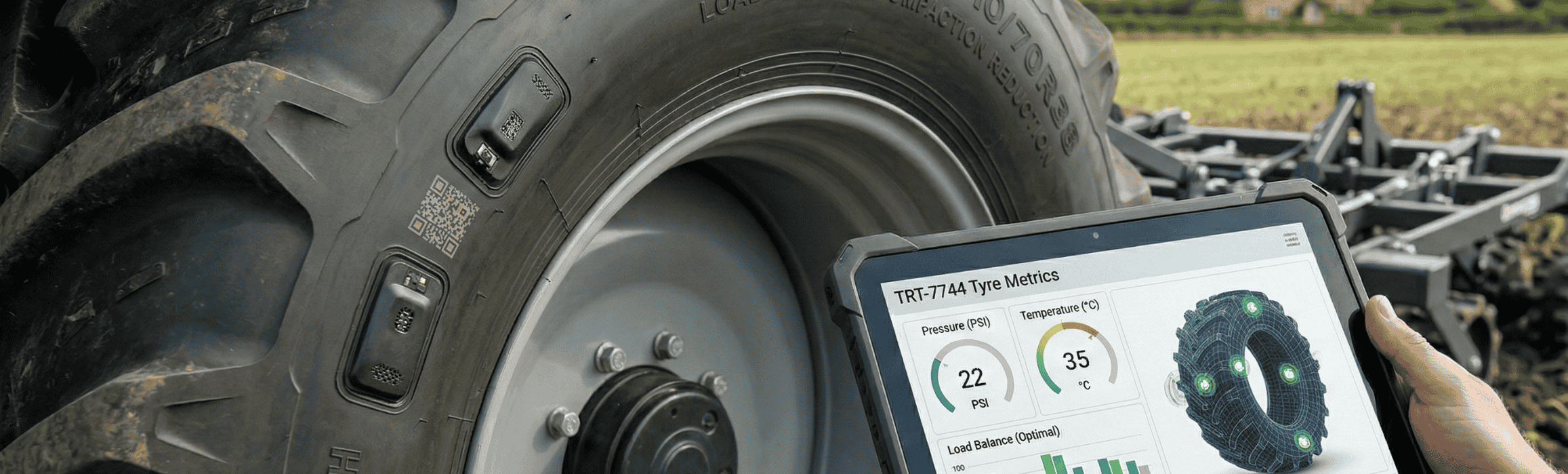
Modern farming today grows exponentially through precise methods that cut waste while boosting the farming output. Though tools such as GPS steering, sensor networks, and number-crunching software and efficient engines draw the most attention, a quiet component implements performance - the agricultural tyre. The best tyre meeting soil affects how well farming machinery moves across land, preventing soil compaction and displaying fuel efficiency.
Here’s how farmers can ensure a bountiful season and excellent farming experience.
Agricultural Tyres: Precision Farming Enablers
In precision agriculture, each time a tractor or farming equipment crosses the land it makes a calculated impact on the ground. Using unsuitable tyres harms the ground beneath, weakens pulling power and also raises expenses over time. Well-built farm tyres spread load more evenly, lowering pressure on soil layers yet still holding firm control and balance during work.
Farm equipment works better when tyres match the land and crops they handle. As a result, plants stay healthier, fields produce more and soil stays strong over time.
How to Choose Efficient Tractor Tyres
The search for tractor tyres begins by highlighting key aspects every farmer weighs when choosing new tyres. Different needs affect each decision, so clarity matters the most during selection. Factors like soil type influence performance just as much as machine weight does. One size never fits all, especially under changing field conditions.
This tractor tyre guide will help you to choose tractor tyres based on these factors
1. Load Capacity
Heavy tools frequently ride on farm machines. Because of this, tractor tyres need strength enough to handle the burden while staying reliable. Performance slips if the tyres falter under pressure.
2. Tread Design
Lug depth defines how firmly tyres hold ground while altering interaction with soil layers. Where moisture rises or terrain loosens, spaced ridges maintain contact by navigating debris instead of sliding across them.
3. Soil Protection
Focusing on healthy soil lies at the heart of precision farming. Because they spread weight evenly, broader tyres reduce soil compaction - this supports stronger root development. Yield stability follows when fields remain undamaged throughout seasons.
4. Durability & Longevity
Farm work pushes tyres hard - bumpy fields, endless days and drastic weather shifts test them constantly. Tough models hold up longer, cutting down their maintenance charges. Fewer stops mean smoother and fuss-free progress.
Invest in Trusted and Dependable Tyre Brands
Farmers often need dependable tractor tyres, so CEAT Specialty tyres are engineered to meet and fulfill real field demands. Built using modern rubber compound blends alongside clever tread designs, these tyres maintain traction and grip on uneven land. With each rotation, less pressure gets imposed on the soil, helping crops flourish.
This way CEAT Specialty tyres tackles tough jobs on farms - ploughing soil, gathering crops and moving heavy loads. Hence, it is important to invest in tyres that don’t just display performance but also fuel efficiency and durability.
Ready to Leverage Your Farms?
Farm efficiency hinges on better tyre choices - ones that boost both output and long-term durability. Starting with proper agricultural tyres often marks the difference between average results and real progress on the field. Choosing trusted tyres from CEAT Specialty shifts focus from short-term fixes to sustained productivity in the long term. When precision agriculture shapes daily operations, choosing tractor tyres becomes less about routine upkeep but more of a move that supports crop output, preserves ground structure and strengthens future harvests.


