


ceat-speciality:blogs-tags/all,ceat-speciality:blogs-tags/tyre-advice
Tyre Tread Regulations and Measurement: A Complete Guide to Tractor Tyre Safety
Mon, 27 Apr 2026 | PRODUCTS


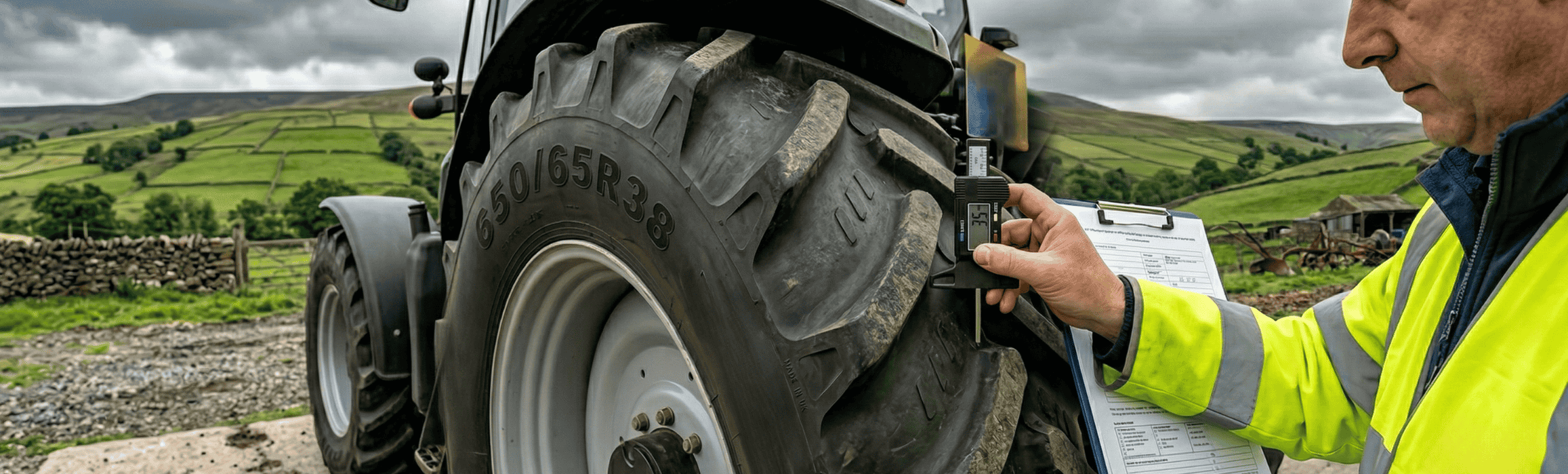
When it comes to agricultural efficiency, your tractor tyre is more than just a component, it’s the foundation of traction, safety, and productivity. Whether you’re investing in the best tractor tyres or maintaining existing ones, understanding tyre tread regulations and measurement is critical.
Much like choosing the right tread pattern, maintaining the correct tread depth ensures optimal grip, reduced slippage, and better fuel efficiency.
What is Tyre Tread and Why is it Important?
Tyre tread refers to the patterned rubber surface that comes into direct contact with the ground. It plays a crucial role in:
- Traction: Essential for pulling loads and fieldwork
- Water dispersion: Prevents slipping in wet conditions
- Soil protection: Reduces compaction in agricultural fields
- Operational efficiency: Improves fuel economy and reduces wear
Low tread depth reduces grip, increases braking distance, and raises the risk of slippage, especially in muddy or uneven terrain.
Tractor Tyre Tread Regulations: What Does the Law Say?
Tractor tyres may seem like they do not have strict legal tread depth regulations.
But that doesn’t mean tread depth isn’t important.
In agriculture:
- Worn tread leads to reduced traction
- Reduced traction is a combination of lower productivity and higher fuel consumption
Best tractor tyres practice: Replace them before they become critically worn, even without legal enforcement.
How to Measure Tyre Tread Depth
1. Tread Wear Indicators (TWI)
Most tyres have built-in indicators.
- Located between grooves
- When the tread aligns with the indicator, it’s time to replace the tyre.
2. Tread Depth Gauge (Most Accurate)
A professional tool that gives readings in millimetres.
- Quick and precise
- Recommended for regular tyre tread inspections
3. Visual Inspection (Basic Method)
Look for:
- Flattened lugs
- Uneven wear
- Reduced groove depth
Signs Your Tractor Tyres Need Replacement
Watch for these warning signs:
- Shallow or smooth tread
- Increased slippage in fields
- Visible cracks or cuts
- Uneven wear patterns
Worn-out tyres can become a safety risk and reduce farm output significantly.
Best Practices to Maintain Tractor Tyre Tread
To get the most out of your best tractor tyres, follow these tips:
Regular Inspection
Check tread depth every few weeks during peak farming seasons
Maintain Proper Tyre Pressure
Incorrect pressure accelerates tread wear
Choose the Right Tread Pattern
Different patterns suit different terrains (R-1, R-1W, etc.)
Rotate Tyres When Needed
Ensures even wear and longer life
Invest in Quality Tyres
Premium options like CEAT Specialty tractor tyres are designed for:
- Better wear resistance
- Improved traction
- Longer lifecycle
How to Choose the Best Tractor Tyres Based on Tread
When selecting a tractor tyre, consider:
| Factor | Why It Matters |
| Tread Depth | Determines grip and durability |
Tread Pattern | Impacts traction and soil impact |
Soil Type | Wet vs dry conditions require different designs |
Usage | Haulage vs fieldwork |
A well-matched tyre ensures maximum efficiency and minimum downtime.
Final Thoughts
Understanding tyre tread regulations and measurement isn’t just about compliance but it’s about performance, safety, and profitability.
Even though tractor tyres may not have strict legal tread limits, maintaining optimal tread depth is essential for:
- Better traction
- Lower fuel costs
- Improved crop outcomes
By regularly checking tread depth and investing in reliable options like CEAT Specialty tractor tyres, you ensure your farm operates at peak efficiency.


