


ceat-speciality:blogs-tags/all,ceat-speciality:blogs-tags/tyre-advice
Optimising Harvests: Why TPMS is the Future of Tractor Tyre Management
Wed, 15 Apr 2026 | PRODUCTS


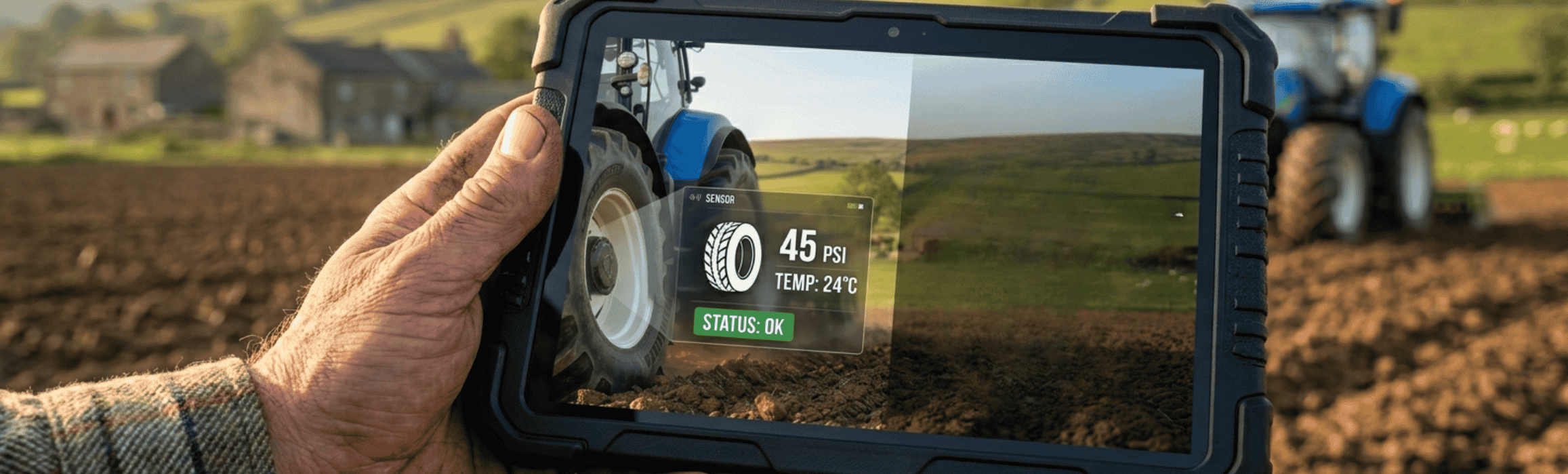
In the modern farming landscape, precision has shifted from a rare luxury to a baseline requirement. For UK farmers, chasing better yields and less downtime expenses along with overheads, a tractor’s tyre health is just as vital as seed quality or engine’s efficiency. CEAT Specialty tyres is bridging the gap between heavy-duty durability and digital innovation through integrated Tyre Pressure Monitoring Systems.
Avoid Guess Work While Checking Tyre Pressure
Finding the right PSI of your tractor tyres is a constant moving target. A tractor’s needs shift instantly the moment it moves from a paved road to soft, loamy soil.
- The Harms of Tyre Under-Inflation: While low pressure creates a larger footprint, running soft tyres on hard roads causes the sidewalls to flex unevenly. This generates internal heat that can lead to sudden tyre failure.
- The Issue of Tyre Over-Inflation: Keeping pressure too high in the field causes severe soil compaction. This crushes the soil structure, stifling root growth and preventing water from reaching the crops. This also generates high pressure, increasing the chances of wheel slip, which effectively hampers fuel efficiency.
Why is TPMS the Best Solution?
TPMS is a high-precision sensor that is mounted on your tractor tyres to understand the optimal tyre pressure. Farmers get a live data feed sent directly to the cab or a mobile app. The following are the benefits of investing in this system for your agricultural tyres:
1. Fuel Savings & Better Grip
Operating at the exact PSI required for your specific terrain minimises rolling resistance. Over a single season, this optimisation can cut fuel consumption by as much as 10%.
2. Maximising Tyre Longevity
Manual checks often miss leaks that get generated over time. TPMS provides real-time alerts for gradual pressure loss or overheating, allowing you to fix a minor issue before it turns into a disaster that ruins a good quality radial tyre.
3. Soil Protection and Reducing Soil Compaction
Smart pressure management enables the "flotation" effect. By spreading the machine's weight evenly across the surface, you protect the soil's health, ensuring your land stays fertile and productive for seasons to come.
Engineering for the Modern Field
CEAT Specialty tyres go beyond manufacturing rubber; they engineer total performance solutions. Their VF (Very High Flexion) and radial ranges are built to pair perfectly with modern monitoring tech. Whether you are navigating wet ground or rugged, dry terrain, a TPMS-equipped CEAT Specialty tyre ensures you never have to guess about your performance.
Investing in TPMS isn't just about maintenance, it’s about protecting your tyre and well-being. By removing the guesswork, you cut down on expensive maintenance and keep your productivity moving exactly when it matters most.


