


ceat-speciality:blogs-tags/all,ceat-speciality:blogs-tags/tyre-advice
Grip, Ground, Go: Ensuring Stability in Your Farm Tyres
Tue, 9 Dec 2025 | PRODUCTS


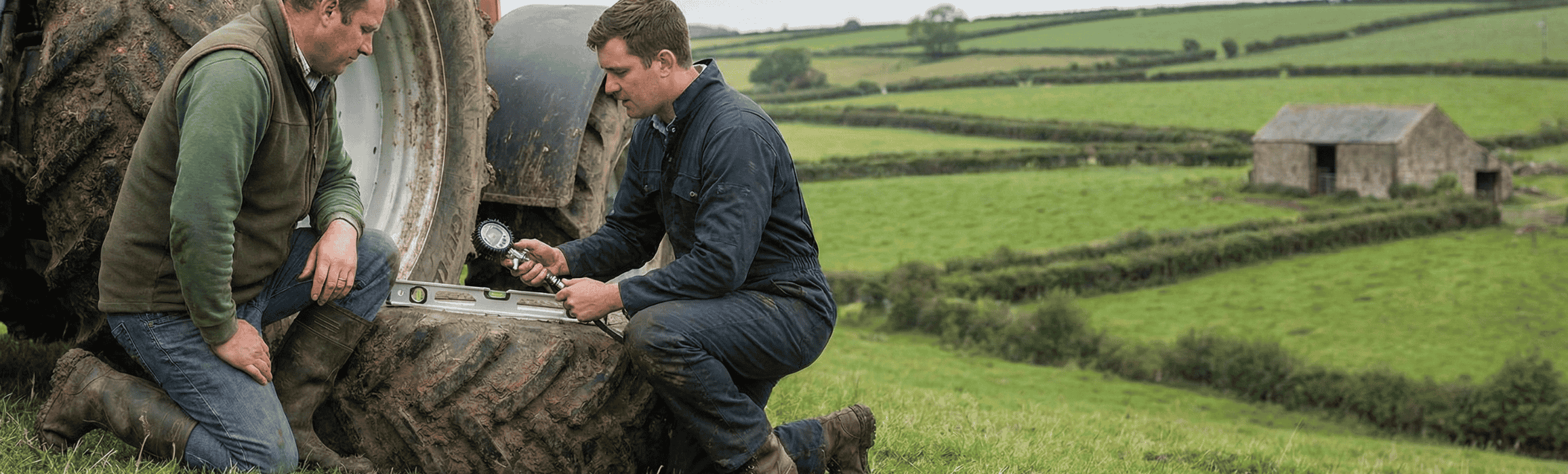
To be efficient and stable in all aspects, farm machinery needs dependable tyres. As farm tyres bear the load of the equipment, stable tyres help navigate uneven terrain, haul heavy loads, and work long hours in the fields efficiently. This is why testing the stability of your farm tyres is so important. Nowadays, trusted brands like CEAT Specialty farm tyres, ensure that your farm tyres offer exceptional stability.
Let’s Begin by Understanding Why Stability Testing Matters
Farm tyres operate in challenging environments like mud, slopes, loose soil, and varying weather conditions. Stability in your tyres is crucial not only for traction and fuel efficiency but also for preventing slippage and uneven wear. Unstable tyres compromise safety, reduce productivity, and result in expensive downtime and high repair costs.
We recommend staying proactive by testing your farm tyres regularly and checking for early signs of deterioration. By choosing quality tyres for your farm machinery, you ensure reliable and stable performance during every task.
Keen Check: Visual Inspection of Your Farm Tyres
Visual inspection is an effective way to assess the condition of your farm tyres. When inspecting, look for cracks, cuts, bulges, or uneven wear patterns. These irregularities help identify issues that may be affecting tyre stability. Daily exposure to harsh weather and uneven terrain can weaken tyre structure over time, so regular visual checks help you take proactive steps to maintain tyre stability.
By investing in CEAT Specialty farm tyres, you benefit from enhanced durability engineered to withstand conditions that often make farming difficult.
Next Up: Optimising Tyre Pressure
Farm tyre stability is directly linked to tyre pressure. Correct pressure ensures smooth movement and consistent traction. Over-inflated tyres tend to bounce and lose grip, increasing the risk of slippage. Under-inflated tyres reduce traction and may cause uneven load distribution.
Always refer to the manufacturer’s recommended pressure levels for your specific equipment. CEAT Specialty farm tyres come with clearly defined pressure guidelines to help farmers maintain optimal stability and performance.
Examine and Evaluate: All About Load Distribution
Modern farm equipment carries substantial weight from seeds, harvests, fertilizers, and attachments. Improper load distribution places excessive stress on farm tyres, compromising stability. While testing stability, ensure that the weight of your tractor or implement is evenly distributed across all tyres.
CEAT Specialty farm tyres are engineered to handle varying load conditions while maintaining grip and structural capability. Their robust sidewalls and specialised tread patterns support stable handling even under heavy loads resulting in fruitful yields.
Practical Testing: A Field-Ready Approach
Conduct a practical field test with your machinery. We recommend driving across different soil conditions, slopes, and surfaces to evaluate traction, vibration levels, and overall stability. This helps you understand farm tyre handling, responsiveness, and steering control.
CEAT Specialty farm tyres are known for offering excellent traction and reduced slippage, making them ideal for field trials that reflect real-world working conditions.
Rounding Off…
The stability of your farm tyres can be maintained only through regular and proactive checks. By inspecting your tyres, monitoring pressure, ensuring proper load distribution, and conducting field tests, you support reliable farming operations year-round.
Choosing durable, high-performance options like CEAT Specialty farm tyres enhances stability and gives you the confidence to tackle the demanding challenges of agricultural work.


