ceat-speciality:blogs-tags/all,ceat-speciality:blogs-tags/products
GM XL Skid Steer Tyre Tread Patterns: How to Match Lug Depth to Surface Applications
Wed, 22 Jul 2026 | PRODUCTS


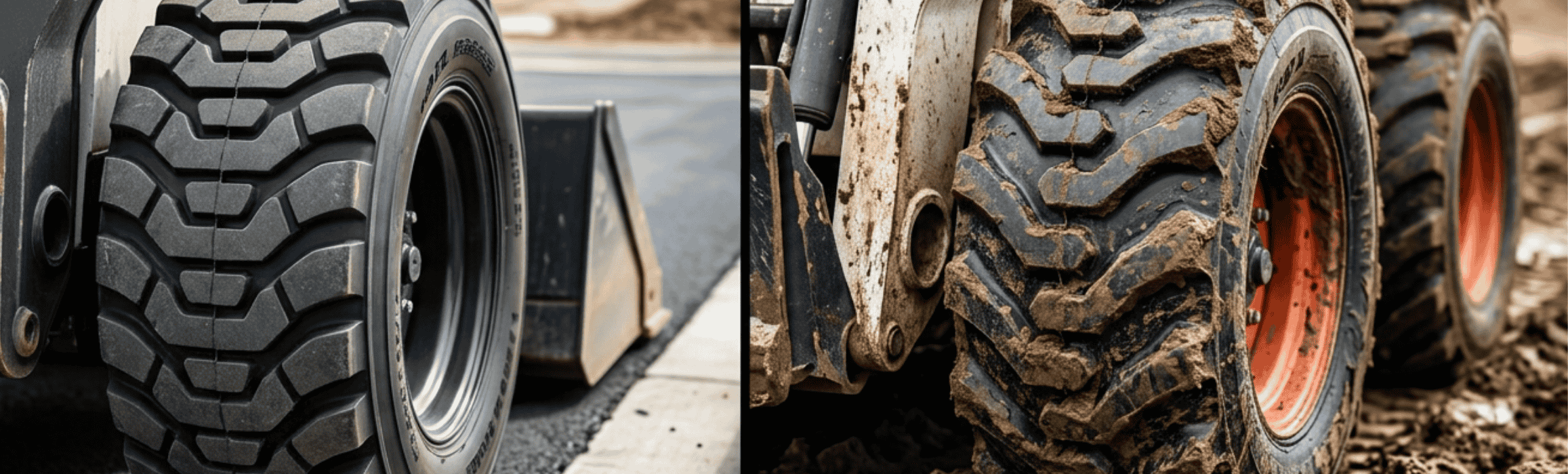
Table of Contents
- Matching Skid Steer Tyre Tread Patterns and Lug Depth to Surface Applications
- Right Lug Depth for the Right Surface
- Why Does Lug Depth Matter for Mining and Quarry Skid Steer Tyres?
- How to Match Heavy Duty Skid Steer Tyre Applications to Tread Types
- Surface Analysis for GM XL Skid Steer Tyres
- What Makes the CEAT GM XL Ideal for Heavy-Duty Applications?
Matching Skid Steer Tyre Tread Patterns and Lug Depth to Surface Applications
Selecting the correct skid steer tyre tread pattern and lug depth is critical for maximising machine uptime and reducing operating costs. In severe environments like mining, quarrying, and rock excavation, standard tyres fail prematurely due to punctures and rapid wear. Utilising specialised skid steer tyres by CEAT Specialty, such as the GM XL, ensures that your machinery maintains optimal traction and puncture resistance by perfectly matching extra deep tread lugs to harsh, abrasive surfaces.
Right Lug Depth for the Right Surface
Heavy-duty applications require deeper tread patterns and robust casings to resist cuts and punctures. While standard treads work for dirt, extreme environments demand extra-deep lugs and specialised rubber compounds to maximise tyre life and machine efficiency.
- Mining & Quarrying: Requires extra deep tread lugs and rock-handler compounds to resist cuts.
- Rock Excavation: Demands maximum casing strength and dense tread patterns to prevent punctures.
- Asphalt & Concrete: Benefits from deep, flat tread blocks to maximise surface contact and reduce wear.
- Mud & Soft Soil: Utilises deep, widely spaced lugs to promote self-cleaning and traction.
Why Does Lug Depth Matter for Mining and Quarry Skid Steer Tyres?
Lug depth directly dictates a tyre’s wear life, structural stability, and traction efficiency. In heavy-duty operations, standard lug depths lead to frequent flats and rapid tread depletion.
Deep-tread mining and quarry skid steer tyres provide a thick rubber barrier that shields the underlying steel or fabric carcass from sharp rocks. This extra rubber distributes weight more evenly, reducing ground pressure and heat buildup during intensive cycles.
Key Benefits of Extra Deep Tread Lugs:
- Extended Tyre Lifespan: More wearable rubber translates directly to more operating hours before replacement.
- Enhanced Casing Protection: Thick tread blocks absorb impacts from jagged rocks, preserving the tyre casing.
- Increased Stability: Heavy-duty lugs reduce tyre flexing under heavy loads, improving operator control.
How to Match Heavy Duty Skid Steer Tyre Applications to Tread Types
Different operating surfaces present unique challenges. Matching your specific application to the correct tyre configuration prevents premature tyre failure and optimises machine cycle times.
| Surface Type | Recommended Lug Depth | Key Tyre Features Needed | Typical Application |
Sharp Rock & Shale | Extra Deep | Robust casing, cut-resistant compound | Open-cast mining, quarrying |
Demolition Debris | Extra Deep | Reinforced sidewalls, dense center lugs | Concrete recycling, scrap yards |
Hard Pack / Asphalt | Deep | Smooth or solid center block, wear resistance | Road construction, paving |
Mixed Dirt & Mud | Standard to Deep | Widely spaced lugs, self-cleaning steps | General contracting, excavation
|
Dropping heavy loads on jagged concrete requires tyres with thick sidewalls and deep tread profiles. The robust casing of the GM XL protects against severe lateral impacts and chunking.
Surface Analysis for GM XL Skid Steer Tyres
1. Rock Excavation and Quarrying
These surfaces demand heavy duty skid steer tyre applications that feature an extra deep tread and robust casing. The CEAT Specialty GM XL tyre is engineered specifically for these environments, utilising a special compound that provides optimised wear and resistance to cuts and snags.
2. Infrastructure and Concrete Recycling
Dropping heavy loads on jagged concrete requires tyres with thick sidewalls and deep tread profiles. The robust casing of the GM XL protects against severe lateral impacts and chunking.
What Makes the CEAT GM XL Ideal for Heavy-Duty Applications?
The GM XL by CEAT Specialty is engineered to bridge the gap between high traction and extreme durability. Its design parameters target the highest-cost vulnerabilities in skid steer operations: punctures and rapid abrasive wear.
Technical Advantages of the GM XL Design:
1. Optimised Wear Compound: The proprietary rubber chemistry slows down abrasion on hot, hard-packed surfaces.
2. Superb Performance in Rock: The deep block pattern grips uneven rocky terrain without tearing at the lug bases.
3. High Resiliency Casing: The internal carcass is reinforced to handle the high torque and heavy tipping loads of modern skid steers.