


ceat-speciality:blogs-tags/all,ceat-speciality:blogs-tags/tyre-care
Tyre Care Tips for Winter Irrigation Cycles
Thu, 5 Feb 2026 | PRODUCTS


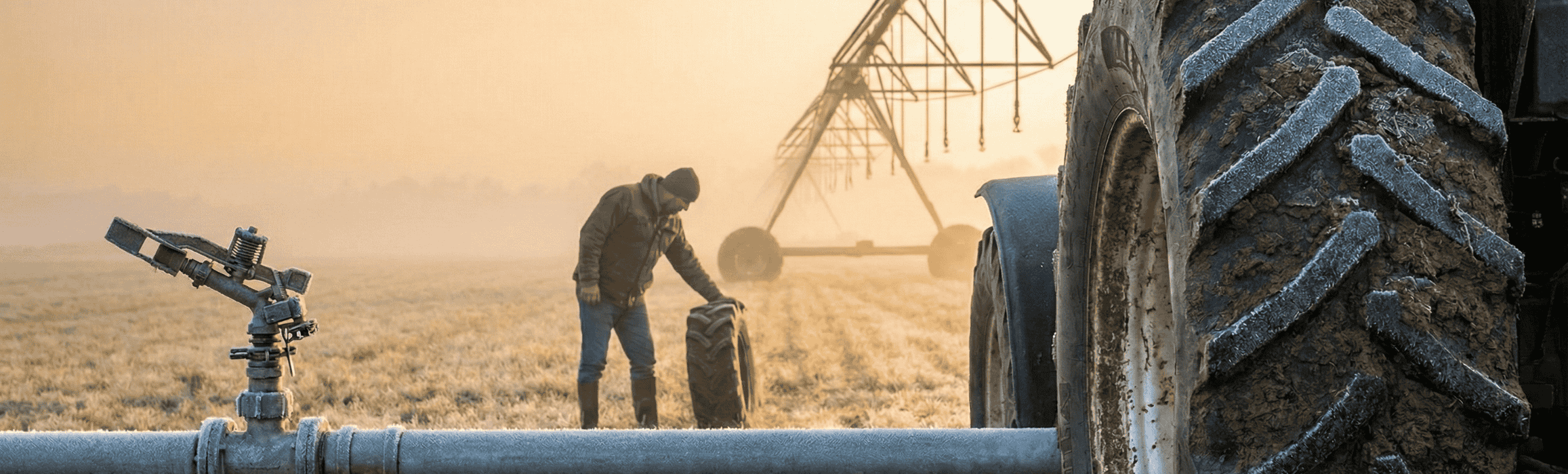
When winter arrives, most people think about protecting crops from the frost but what about the machinery that keeps your fields productive? Winter irrigation cycles place unique demands on farm equipment, and proper tyre care becomes especially important during this season. Cold temperatures, wet soil, and reduced usage can quietly damage farm tyres if they’re ignored. With the right tyres, such as a reliable CEAT Specialty tyre, you can keep your irrigation operations running smoothly all winter long.
Why Tyre Care in Winter Matters
Winter irrigation often means working on colder, softer, and sometimes waterlogged soil. Tyres that aren’t properly maintained can lose traction, suffer from pressure changes, or even develop cracks due to low temperatures. Poor farm tyre health doesn’t just affect performance, it can also increase fuel consumption, reduce efficiency, and lead to unexpected downtime when you need your equipment most.
1. Check and Adjust Tyre Pressure Regularly
Cold weather causes air pressure to drop. Underinflated tyres can lead to uneven wear, reduced load-carrying capacity, and soil compaction, especially critical during irrigation cycles. Make it a habit to check tyre pressure more frequently in winter and adjust it according to the manufacturer’s recommendations. A high-quality CEAT Specialty tyre is designed to perform under varying conditions, but correct inflation is still key to unlocking its full potential.
2. Inspect for Cracks and Damage
Winter conditions can be harsh on rubber. Hence, tyre care in winter needs to start by inspecting tyres for visible cracks, cuts, or bulges before the start of the irrigation cycle. Moisture combined with freezing temperatures can worsen small issues quickly. Early detection allows for simple repairs instead of costly replacements later in the season.
3. Clean Tyres After Use
Mud, fertilizer residue, and irrigation water can cling to farm tyres and slowly degrade the rubber. After each irrigation cycle, especially in winter, we recommend you to take time to clean tyres thoroughly. This not only extends tyre life but also helps you spot hidden damage. Consistent tyre care routines like this make a big difference over time.
4. Store Equipment Properly
If your irrigation machinery isn’t in constant use during winter, storage matters. Park equipment on a dry, level surface, away from direct sunlight and extreme cold when possible. Reducing long-term pressure on farm tyres helps prevent flat spots and deformation.
5. Choose Tyres Built for the Job
Not all tyres are created equal. Winter irrigation demands farm tyres that offer strong traction, durability, and resistance to wear. A CEAT Specialty tyre is engineered to handle challenging agricultural conditions, providing stability and reliability even in colder months. Investing in the right tyre upfront reduces maintenance headaches and boosts overall efficiency.
Final Thoughts
Winter irrigation doesn’t have to be tough on your equipment. With smart tyre care, regular inspections, and dependable tyres, you can protect your machinery and maintain productivity throughout the season. Treat your farm tyres well this winter, and they’ll reward you with better performance, longer life, and fewer surprises when it matters most.


